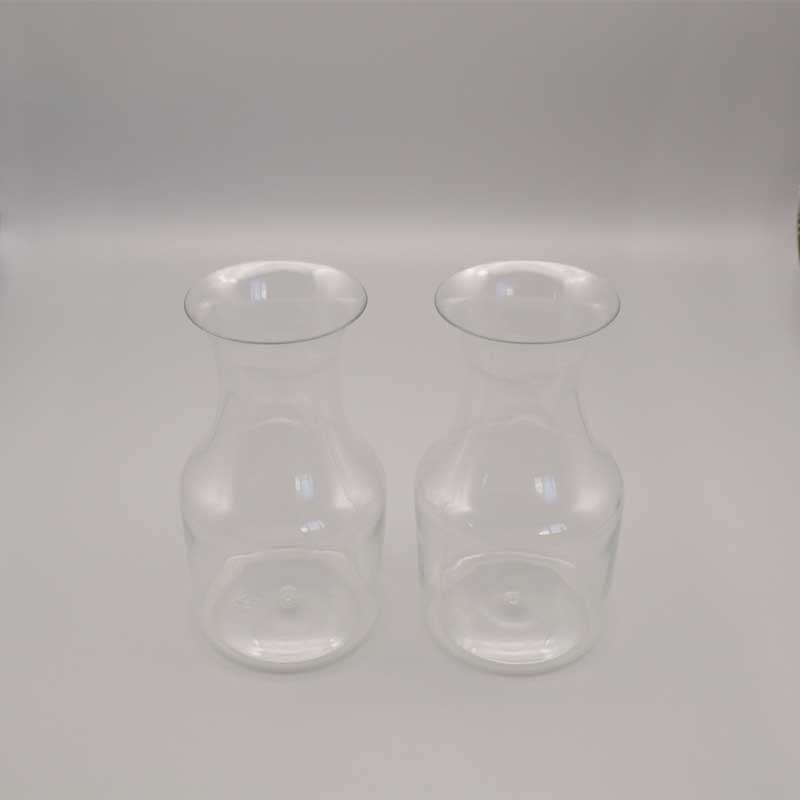
**Rising Demand and Market Trends in Glass Coffee Jars: An Industry Overview**In recent years, the market for glass coffee jars has witnessed significant growth, driven by increasing consumer demand for premium coffee packaging that preserves freshness and enhances aesthetic appeal. As coffee culture continues to thrive globally, the importance of quality storage solutions becomes ever more critical. Glass coffee jars, known for their durability, airtight seals, and eco-friendly attributes, have emerged as a preferred choice among both coffee producers and consumers. This article explores the current trends, pricing factors, and market outlook for glass coffee jars, offering insights into this evolving industry segment.**The Growing Popularity of Glass Coffee Jars**Coffee enthusiasts and specialty coffee brands alike prioritize maintaining the flavor, aroma, and freshness of coffee beans or grounds. Glass jars, with their non-reactive surfaces and ability to create tight seals, effectively prevent exposure to moisture, air, and light — all elements that degrade coffee quality. Compared to plastic or metal alternatives, glass offers better preservation without imparting any unwanted flavors, making it a premium packaging option.Moreover, the rising global awareness about sustainability has positioned glass jars as an eco-friendly choice. Unlike plastic containers, glass is 100% recyclable and can be reused multiple times without loss of quality. This sustainability factor aligns well with the values of environmentally conscious consumers and companies committed to reducing their carbon footprints.**Market Trends Influencing Glass Coffee Jar Prices**The price of glass coffee jars is influenced by several key factors, including raw material costs, production technology, design complexity, and supply chain logistics. Recent fluctuations in the cost of silica (the primary raw material for glass) and energy expenses have affected manufacturing costs. Additionally, innovations in jar design — such as double-walled glass for insulation or custom molds for unique shapes — also impact pricing.Another critical pricing component is the size and lid type of the jar. Smaller jars with simple screw-top lids generally cost less, while larger jars or those featuring airtight clamp lids command higher prices due to enhanced sealing capabilities and materials used. Packaging companies often balance cost and functionality to meet varying client requirements without compromising on quality.**Company Overview: Leading the Market with Quality and Innovation**A prominent company in the glass packaging sector has been making strides in offering a wide range of glass coffee jars tailored to the needs of modern consumers and businesses. With decades of experience, the company leverages advanced manufacturing techniques and stringent quality control standards to produce jars that excel in durability, clarity, and design versatility.Their product lineup spans various sizes and styles—from compact 250ml jars fitting small quantities of specialty coffee to larger 1-liter containers suited for bulk storage. The company also provides customizable options, enabling brands to imprint logos or apply decorative coatings that enhance shelf appeal. By prioritizing customer-centric innovation and sustainable practices, the company has positioned itself as a trusted partner for coffee roasters, retailers, and packaging distributors.**Pricing Overview**The pricing landscape for glass coffee jars varies based on volume orders, customization, and market demand. On average, standard 500ml glass coffee jars are priced competitively, reflecting economies of scale and efficient production processes. Bulk buyers benefit from tiered pricing discounts, making larger orders more cost-effective.Customization options, such as frosted glass finishes or embossed branding, naturally increase the price point, justified by the enhanced visual impact and marketing value they provide. Additionally, supply chain dynamics, including shipping costs and tariffs, may influence the final price delivered to different regions.**Future Outlook and Industry Challenges**Looking ahead, the glass coffee jar market is poised for continued expansion as consumer preferences shift toward high-quality and sustainable packaging solutions. Emerging markets with growing coffee consumption present new opportunities for manufacturers and suppliers.However, the industry must navigate challenges such as raw material price volatility, competition from alternative materials (like biodegradable plastics), and evolving regulatory standards concerning packaging safety and recyclability. Companies investing in research and development, efficient production, and eco-friendly innovations will likely gain competitive advantages.**Conclusion**Glass coffee jars represent a compelling segment within the broader coffee packaging industry, balancing functionality, aesthetics, and environmental considerations. The increasing demand for premium coffee products and greater emphasis on sustainability underpin the market’s growth trajectory. Manufacturers offering versatile, high-quality glass jars that cater to diverse consumer and brand needs are well-positioned to capitalize on these trends. As the industry evolves, pricing strategies will continue to reflect a blend of cost efficiencies and value-added customization, ensuring glass coffee jars remain a favored choice for preserving and presenting coffee in the best possible manner.
Read More